
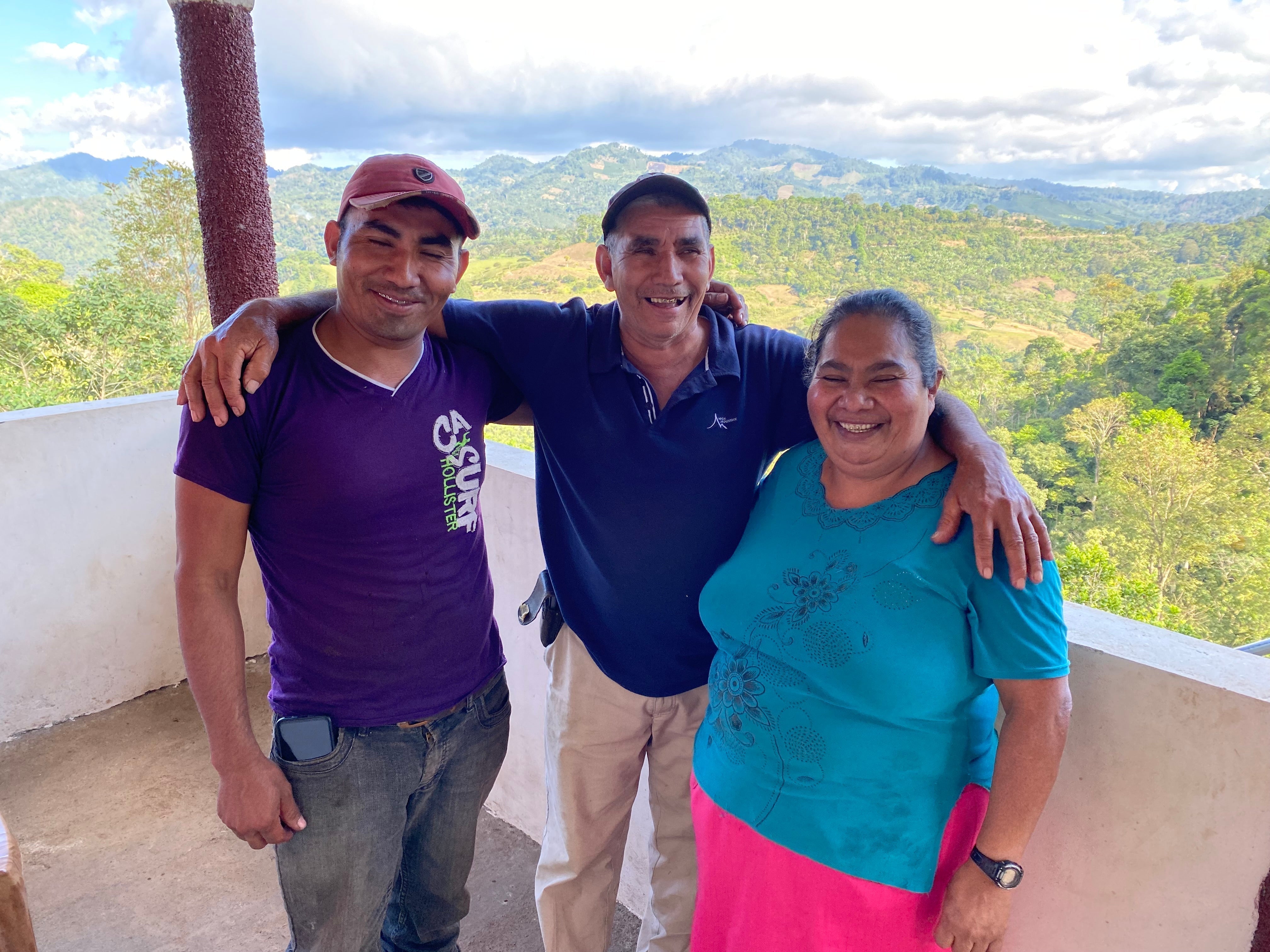
This microlot comes from Finca Santa Adela in Jinotega, Nicaragua, owned and operated by Maximino and his wife, Marlene. Known for their perfectionist approach to harvesting, the couple consistently delivers coffee with exceptionally ripe cherries — a trait that made their farm an ideal candidate for experimental processing.
For this lot, cherries were harvested in the morning and transported several hours through the mountains to Finca Idealista, where they underwent a carefully controlled carbonic maceration process. In this method, whole cherries are fermented in sealed, oxygen-free tanks filled with carbon dioxide — a technique borrowed from winemaking. The process is both anaerobic (no oxygen present) and natural (dried in the cherry), producing unique flavor outcomes.
Coffee Processing Spotlight — Carbonic Maceration
Carbonic maceration is a processing method adapted from winemaking that has gained popularity in specialty coffee for its ability to create unique, fruit-forward flavor profiles.
How It Works
-
Whole cherries are placed into sealed tanks filled with carbon dioxide (CO₂).
-
The oxygen-free environment (anaerobic) allows fermentation to occur inside the cherries, often breaking down sugars and acids in distinctive ways.
-
After fermentation, the cherries are dried — usually as a natural process, meaning the fruit remains intact during drying.
Why It’s Different
-
Traditional anaerobic fermentation simply refers to any oxygen-free environment. Carbonic maceration takes it further by actively flooding the tank with CO₂, creating conditions that mirror wine fermentation.
-
This tends to produce refined, wine-like flavors, with high clarity, sparkling acidity, and layered fruit complexity.
What to Expect in the Cup
Coffees processed with carbonic maceration often display:
-
Bright, fruit-driven sweetness (often tropical, berry, or candy-like)
-
Wine-like body and aromatics
-
Balanced acidity, cleaner than many naturals but more expressive than washed lots
Because of its precision and complexity, carbonic maceration requires careful monitoring of pH levels, temperature, and fermentation time. When done well, it produces some of the most experimental and memorable profiles in specialty coffee.
Carbonic maceration is still relatively new in specialty coffee, and when executed well, it can create results that are strikingly different from traditional washed or natural lots. Compared with classic naturals, which often lean toward bold fruit and heavier body, carbonic maceration tends to bring out refined fruit character, sparkling acidity, and wine-like complexity.
Profile
-
Roast: Light-Medium
-
Region: Jinotega, Nicaragua
-
Farm: Finca Santa Adela
-
Producers: Maximino & Marlene
-
Process: Anaerobic Natural with Carbonic Maceration
-
Elevation: 1,096–1,238m
-
Variety: Red Catuai
-
Cup: Watermelon Candy, Saltwater Taffy, Apple Pie
Share:
Burundi — Cumba
Colombia — El Diviso Anaerobic Natural