
Origins & Partners
Flight Patterns
Investigating the Intricacies of Coffee as Commodity, Creativity, and Community.
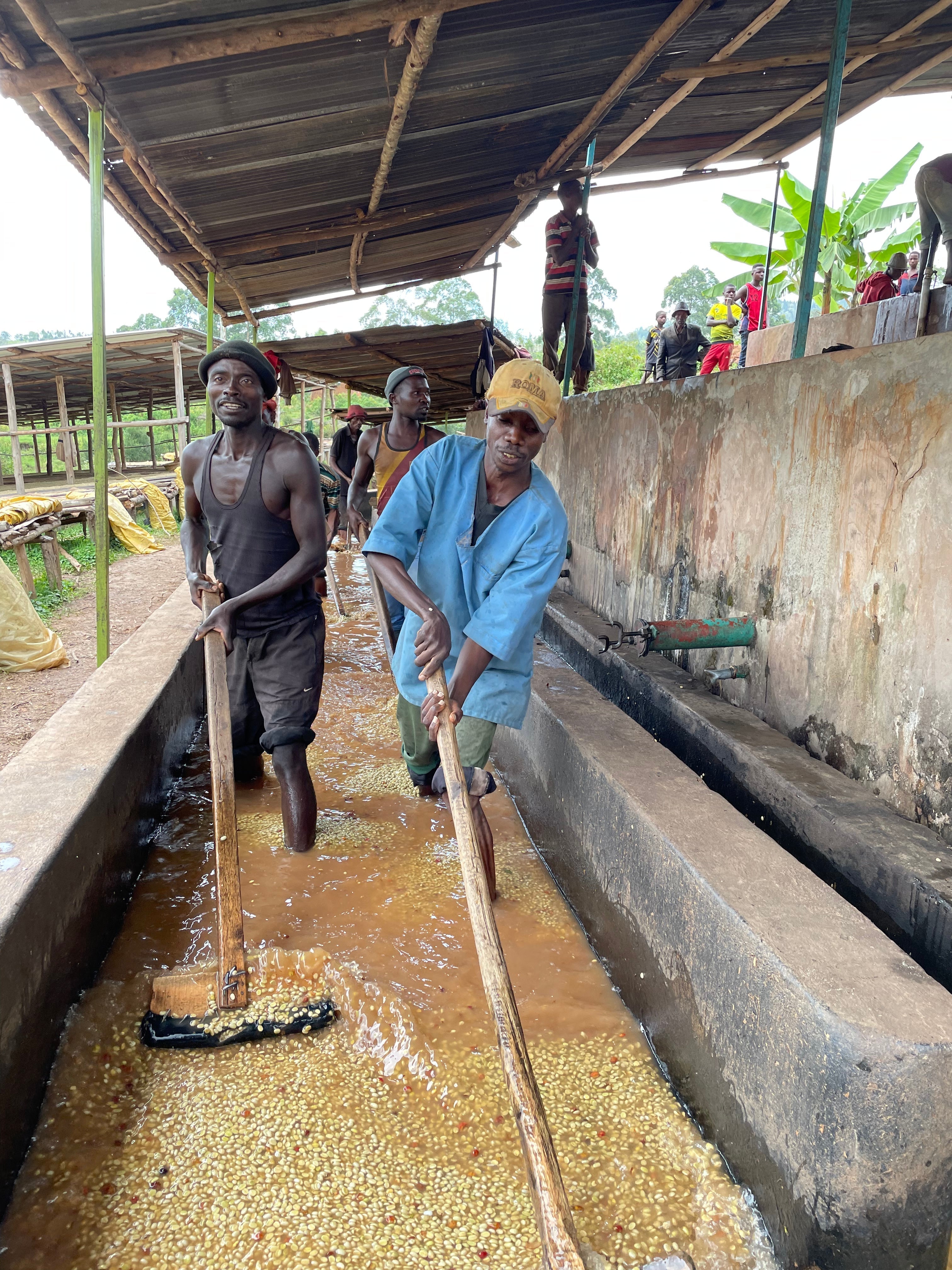
This lot comes from the Cumba community in Ngozi Province, northern Burundi, near the border with Rwanda. Coffee in this region is cultivated by smallholder farmers and processed at the Nkanda Washing Station. The name “Ngozi” means “blessing” in the...
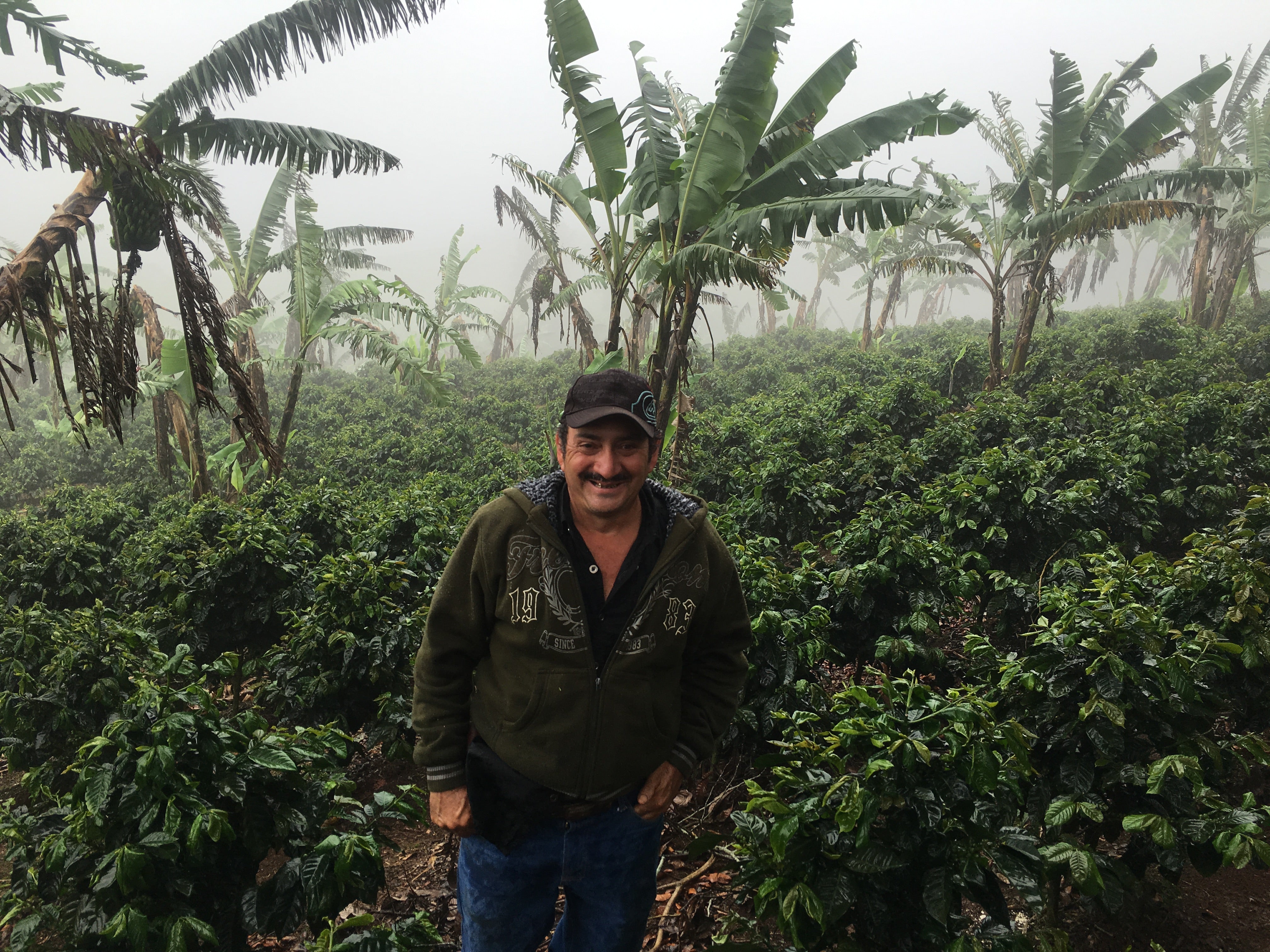
Nicaragua — Finca San Francisco Microlot
This microlot comes from Finca San Francisco in the mountains of Jinotega, Nicaragua, owned and operated by Don Francisco and his wife, Blanca Nieve. The couple has been cultivating coffee here at high altitude for many years, producing lots that...
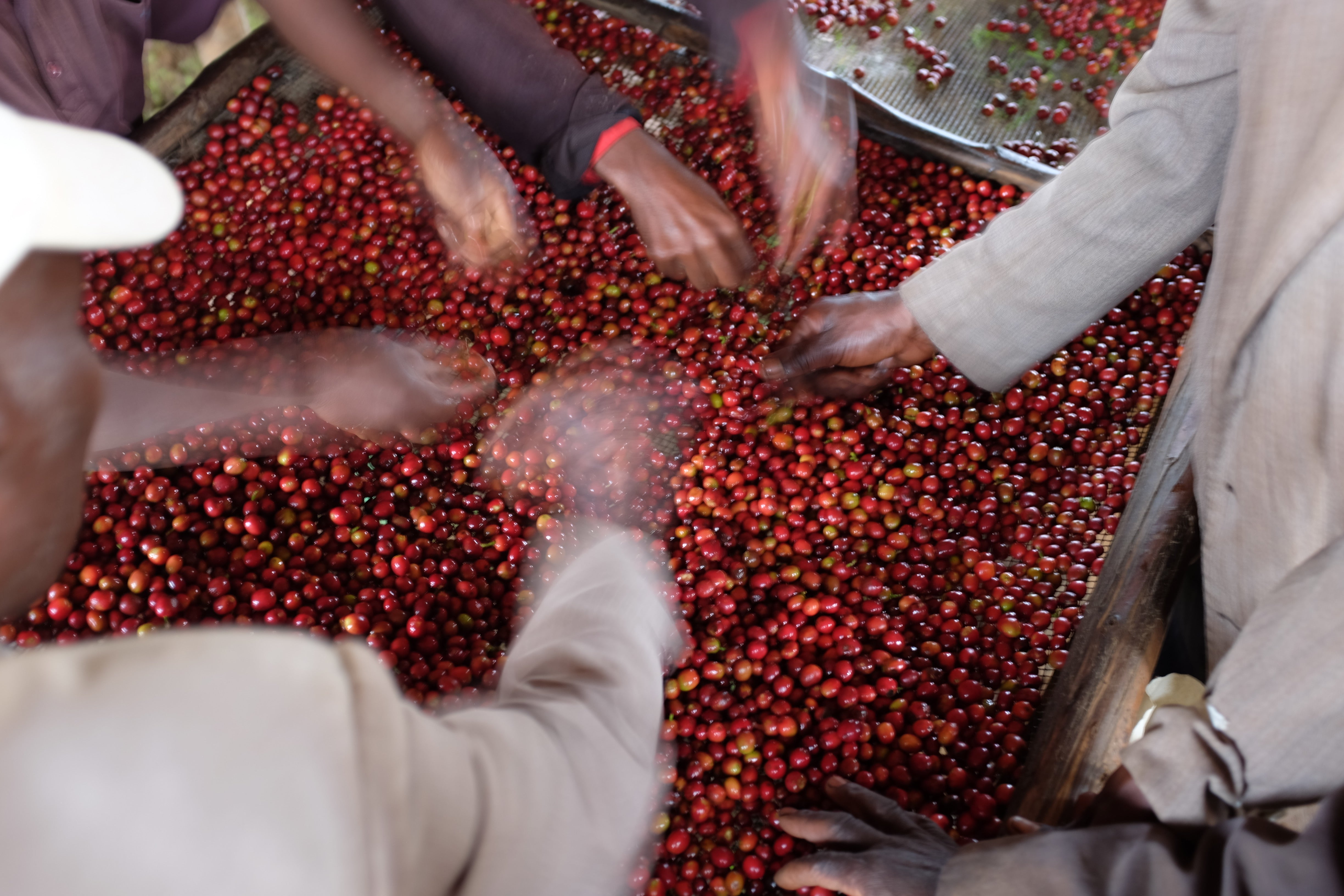
This lot comes from the Ruvumu community, a hill area within the Muruta Commune of northern Burundi. Coffee here is cultivated by members of the Burundi Specialty Seeds Cooperative (BSS), a producer organization focused on improving quality and access to...
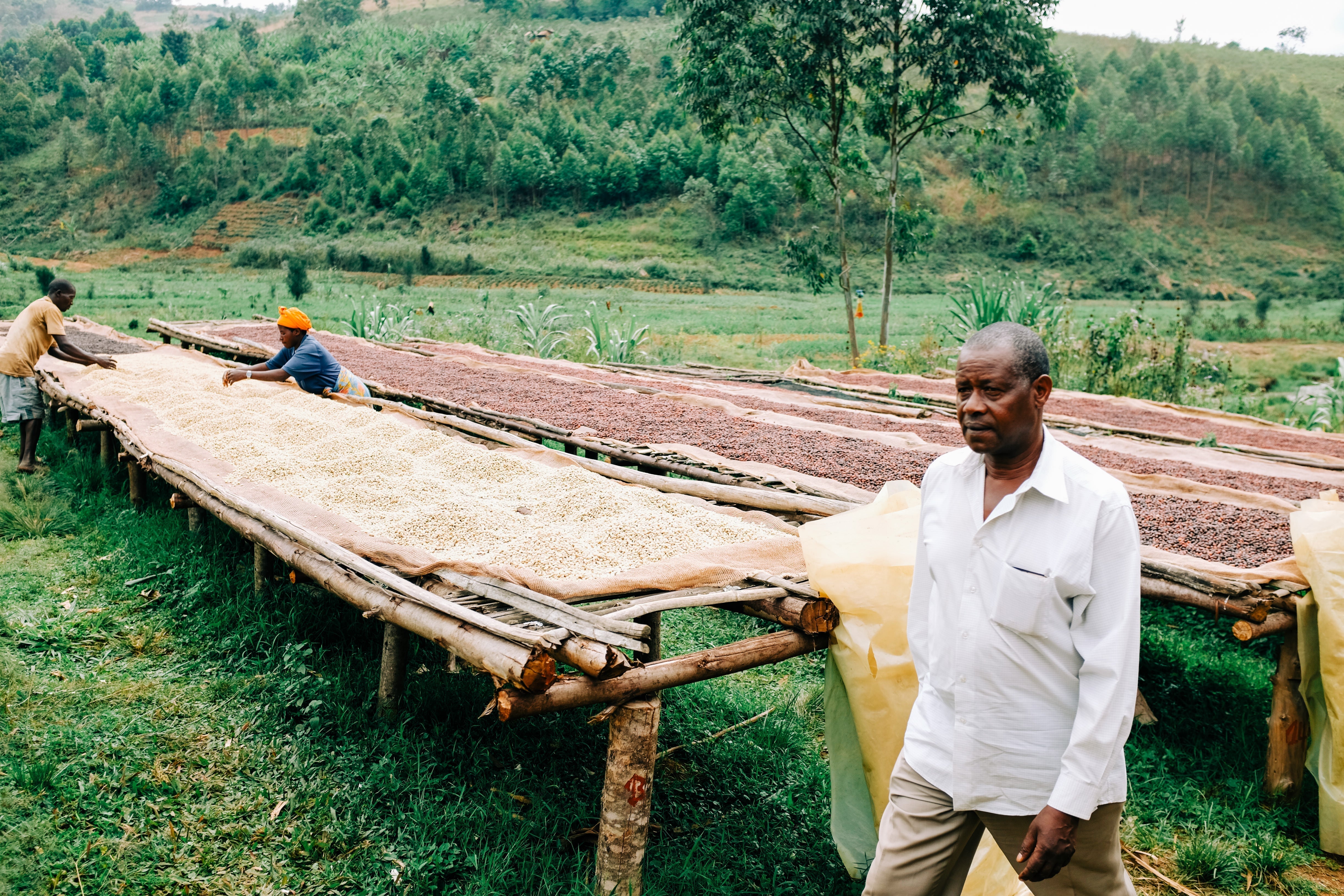
This lot comes from the Nyankurazo community in Ngozi Province, northern Burundi, near the border with Rwanda. The coffee is grown by smallholder farmers and processed at the Nkanda Washing Station. The name “Ngozi” means “blessing” in the Kirundi language...
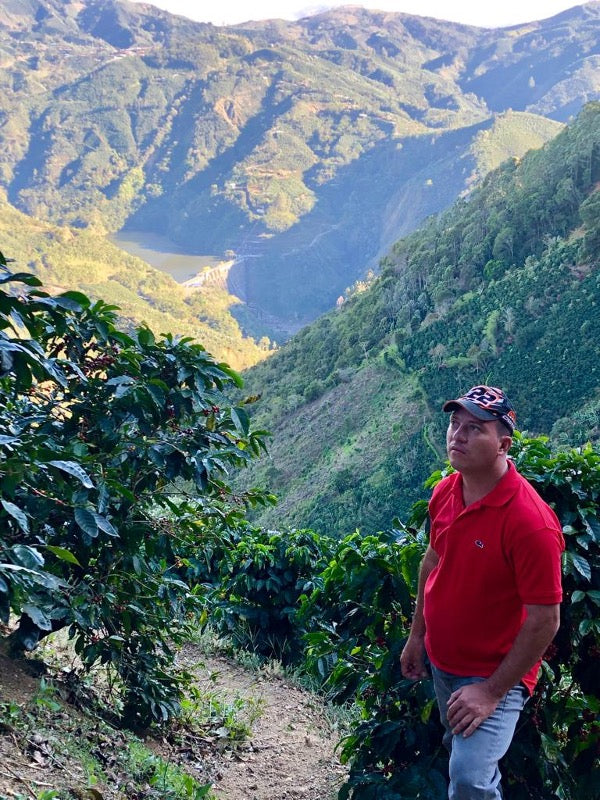
Costa Rica — Yellow Honey Microlot
This microlot comes from Finca La Ladera in the Tarrazú region of Costa Rica, a farm owned and operated by the Bonilla family for more than a century. La Ladera sits on steep hillsides at high elevation, receiving the first...
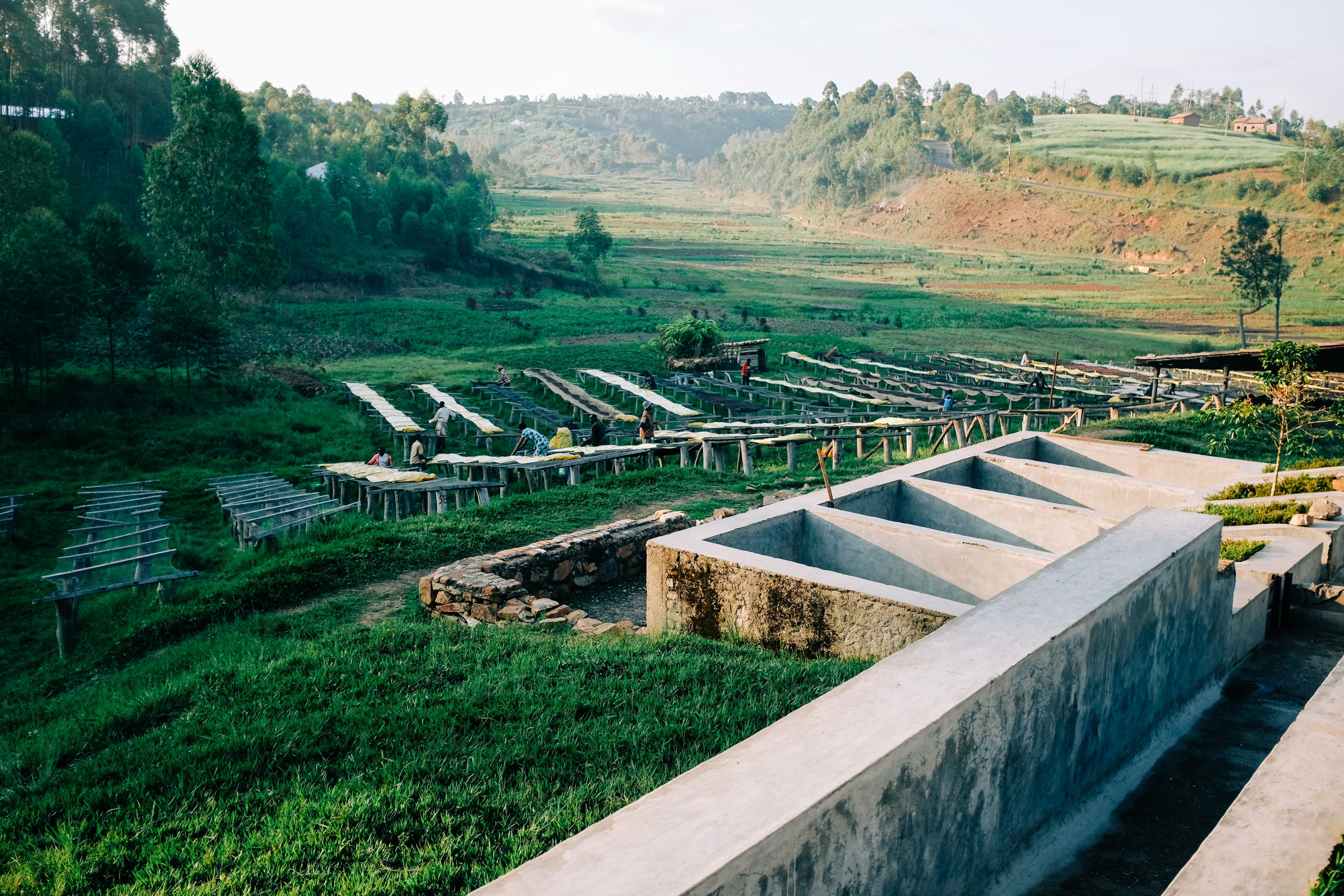
Burundi continues to grow in reputation as a producer of specialty coffee, thanks to the work of dedicated smallholder farmers and the washing stations that bring their harvests to market. This lot comes from the Umuco Washing Station in Kayanza...
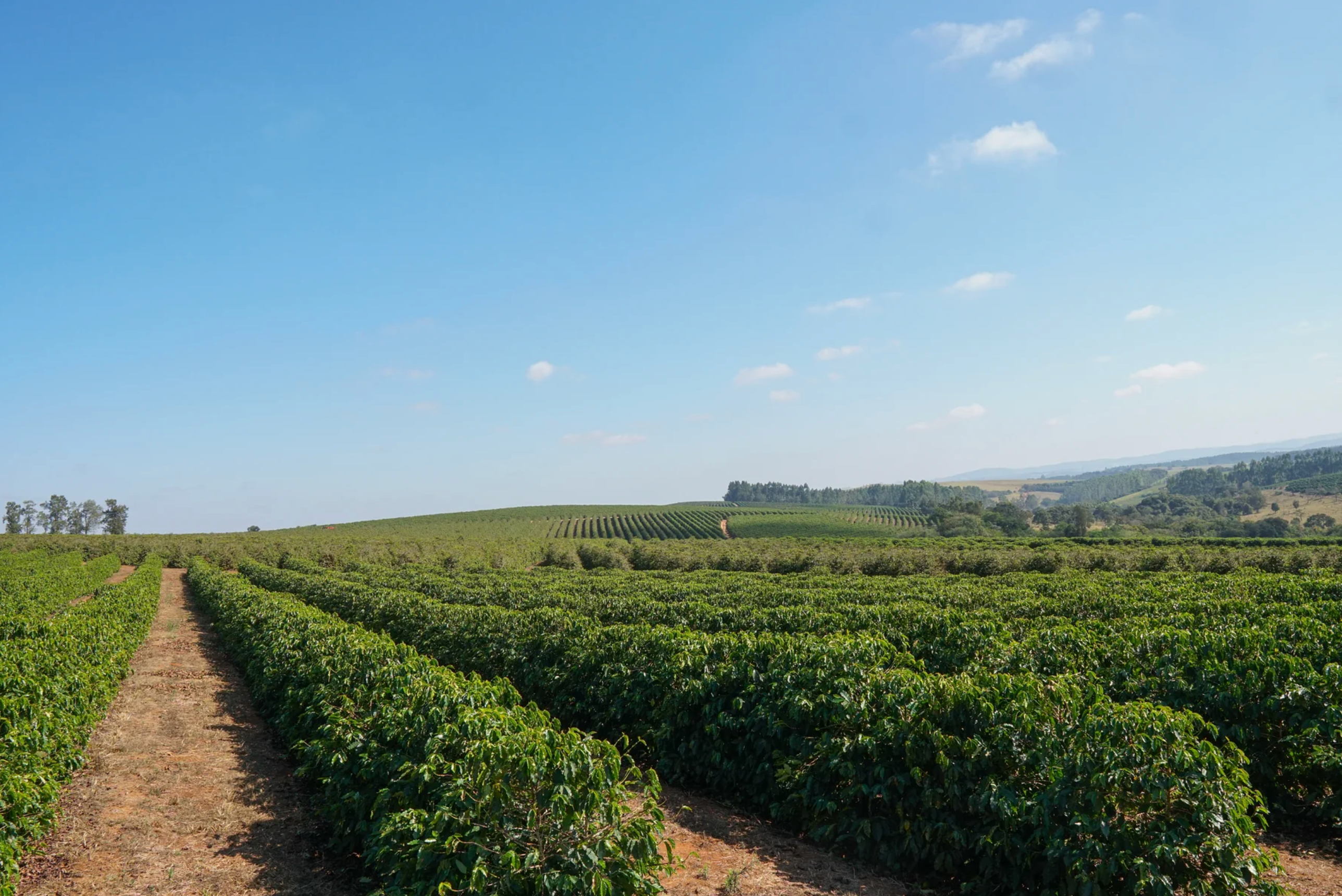
As the largest coffee producer in the world, Brazil has shaped the global coffee market for generations. Nearly everyone who drinks coffee regularly has likely consumed Brazilian beans at some point. With such scale, quality can vary widely — from...
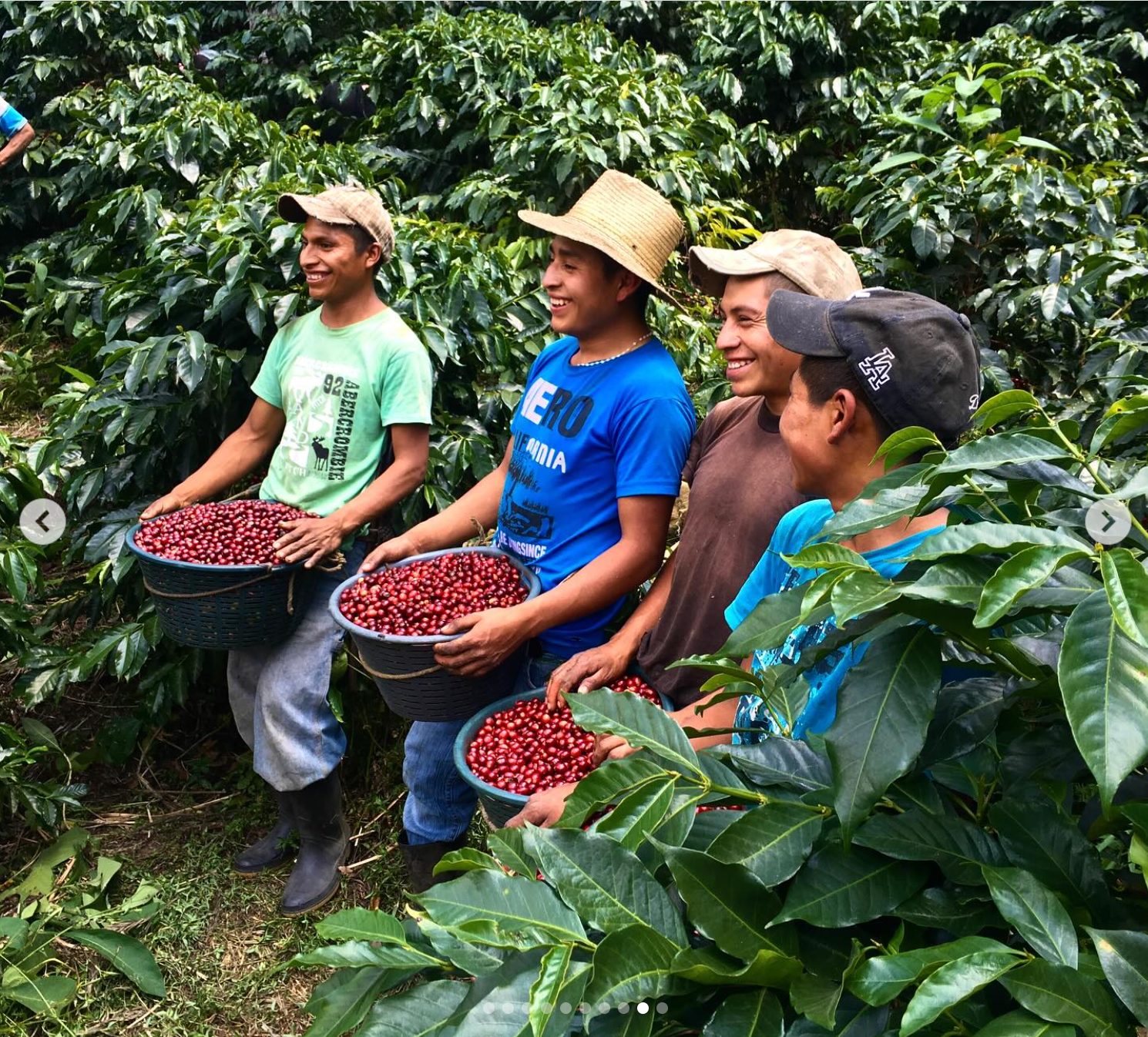
Guatemala — Linda Vista Black Honey
This coffee comes from Finca Linda Vista, a family estate in Guatemala’s Santa Rosa region, owned and operated by Pablo Chuy. Pablo’s family has been farming coffee here for three generations, and today he leads a team that can grow...
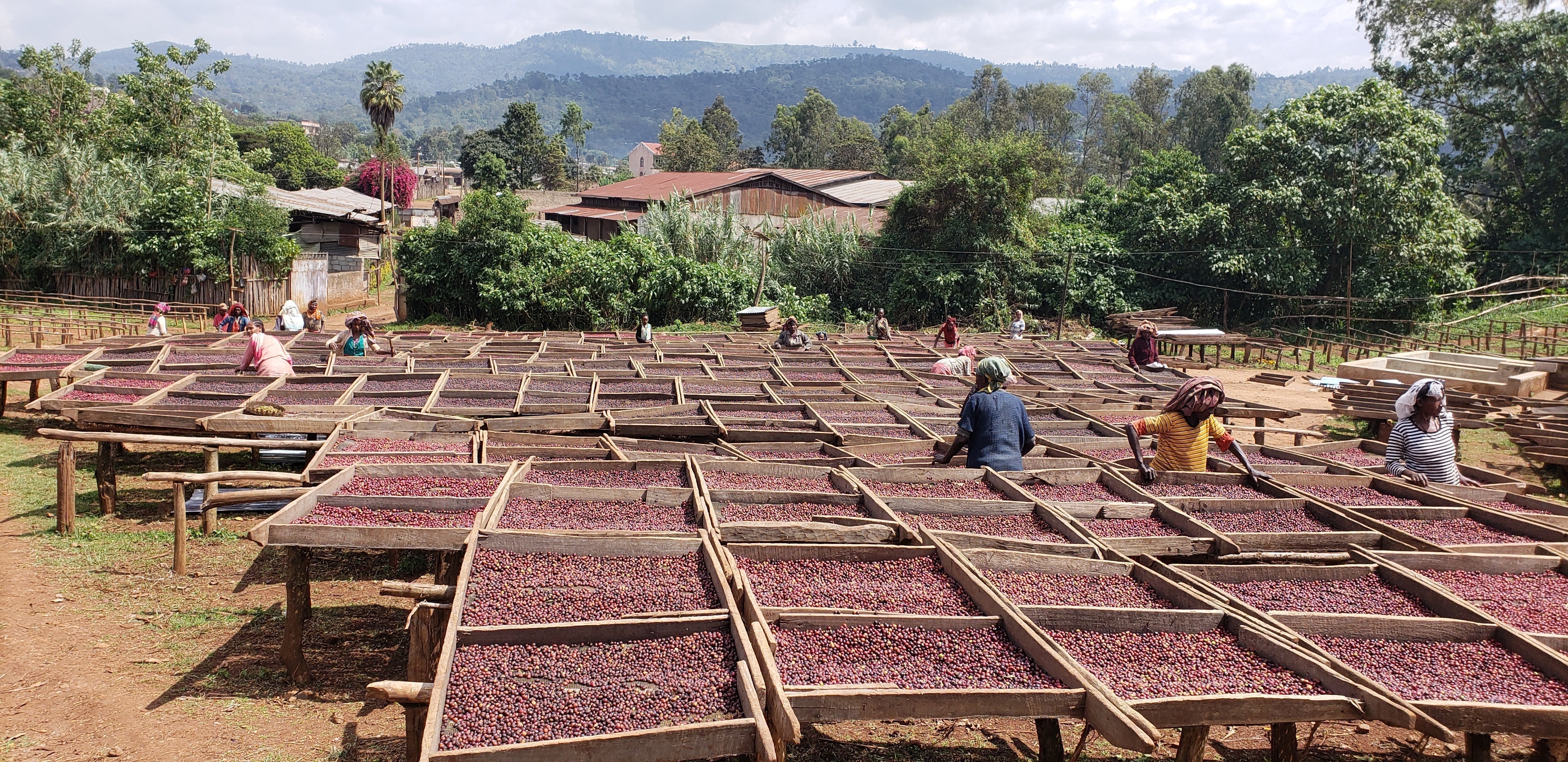
The name Yirgacheffe (pronounced YUR-guh-chef) carries a reputation that extends well beyond specialty coffee. Located in southern Ethiopia within the larger Sidamo region, Yirgacheffe is one of the most recognized coffee origins in the world, celebrated for its floral, tea-like,...